Facebook
 X
X
 Pinterest
 Copy Link
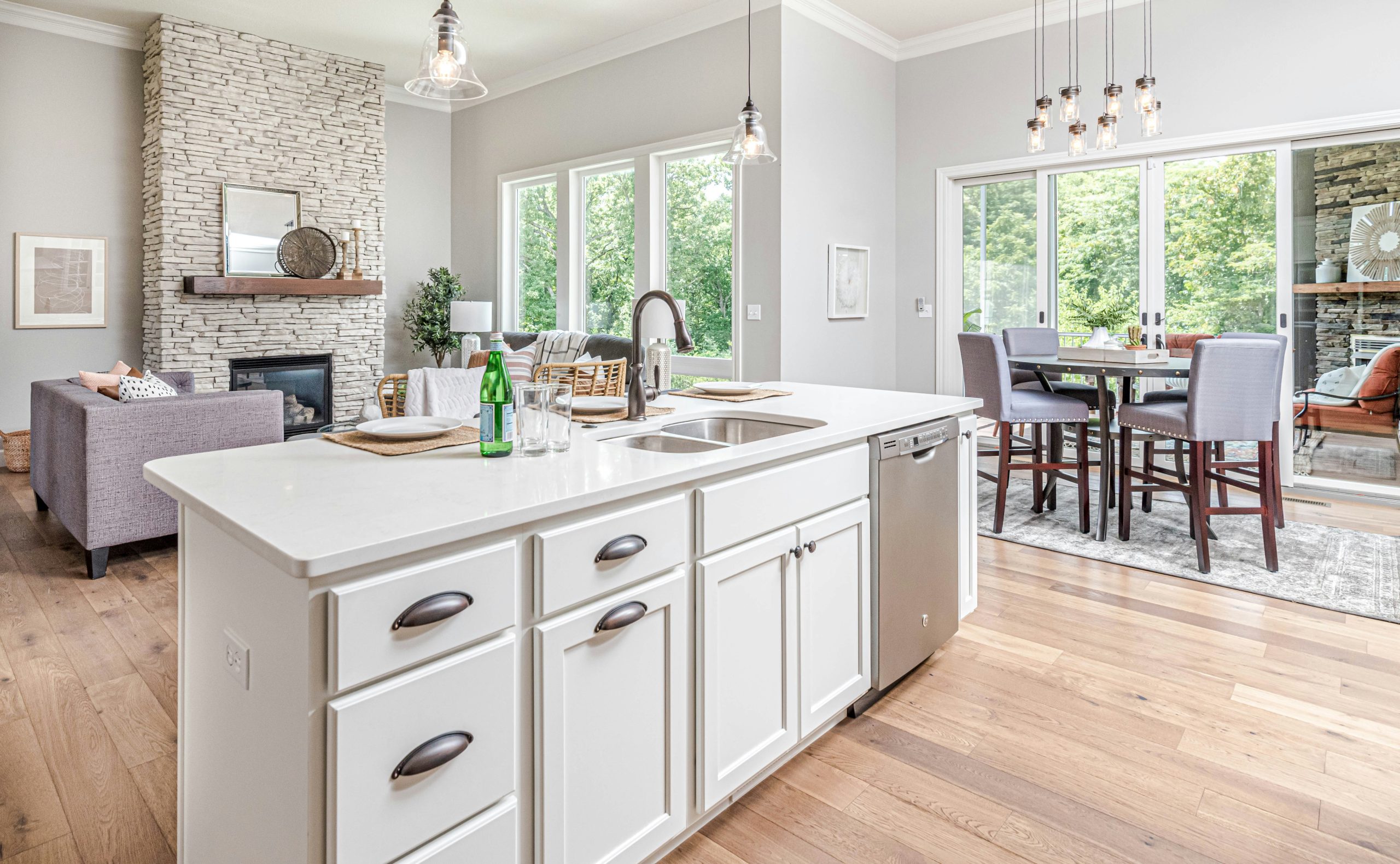
Have you ever walked into a Peterborough home and immediately felt calm – or the opposite? While paint colours, furniture, and finishes are important, most buyers are subconsciously reacting to the home layout itself
Key point: everyone experiences home layouts differently. A floor plan that feels open and energizing to one person might feel overwhelming or exposed to another. Your lifestyle, personality, and family dynamics all shape how a home “feels.” Understanding the way home layouts can make you feel can make all the difference when buying or selling a property.

1. Flow Matters More Than Square Footage
A good home layout can make a space feel much larger than it is. Two homes can be the same size on paper, but the one with the better layout generally feels much larger.
- Logical circulation reduces stress
- Clear sightlines can help people feel oriented and comfortable
- Choppy floorplans (tight hallways, awkward corners) can make a home feel both chaotic and small.
2. Entryways Set the Emotional Tone
The entryway is your first impression of a home. For some people, it is important to have an entryway/foyer that is separate from the rest of the home.
- Bright, open entries feel welcoming and organized
- Cramped or dark foyers can trigger subtle tension, depending on the home.
Seller Tip: Adding simple touches like benches, hooks, and lighting can make a home instantly inviting.
3. Open Concept vs. Defined Rooms
Different layouts create different emotional experiences – what’s your preference?
- Open Concept:
- Social, connected, and energetic
- Ideal for families who want sightlines to guests or kids
- Can feel larger and more expansive
- Defined Floor Plans
- Cozy, private, and structured feel
- Ideal for work, study, or relaxation
- Reduces visual noise
4. Natural Light Shapes Mood
Layouts that allow sunlight to travel naturally through the home can make people in the home:
- Happier
- Less Stressed
- More Productive
Buyer Tip: Look for layouts where multiple rooms get direct sunlight
5. Where the Kitchen is Matters More Than You Think
The kitchen is often the heart of the home. Its placement impacts the home’s energy:
- Central Kitchens: Social, Lively, Connected to main living areas
- Back of house Kitchens: Calm, grounded, private
- Detached or narrow kitchens: Can feel isolating unless balanced with other open sightlines, or lots of windows and natural light.
6. Private vs Public Zones
Homes feel more organized and restful when there is a clear distinction between:
- Public Spaces: living rooms, dining, kitchen
- Private Spaces: Bedrooms, bathrooms, offices
A well-planned layout avoids bedrooms next to noisy areas and reduces low-level discomfort.
7. Nature-Focused Design and Layouts
Homes that connect with nature feel more peaceful. For this, look for layouts with:
- Views into greenery or backyards
- Multiple windows for light and sightlines
- Easy indoor-outdoor flow to patios, decks, or gardens

8. Emotional Cues in Floor Plans
Certain design features influence emotion subconsciously:
- High ceilings = freedom and spaciousness
- Low ceilings = coziness and intimacy
- Symmetry = calm and order
- Rounded corners or arches = softness and warmth
- Long Hallways = tension or anticipation
9. Why some homes feel “Like You”
A home layout that aligns with your lifestyle clicks instantly:
- Introverts = private spaces for retreat
- Extroverts = open and connected areas
- Families = Clustered bedrooms and functional mudrooms
- Remote workers = dedicated workspace
- Entertainers = seamless flow between kitchen, living, and dining areas
A well-designed home layout affects comfort, mood, and daily life. If a home feels right, it’s usually because the floor plan supports your lifestyle – even if you can’t explain why.